Interior Design Jakarta Timur: Crafting Multi-Sector Spaces That Perform
In a fast-evolving urban landscape like East Jakarta, design is no longer confined to aesthetics—it has become a strategic tool that shapes how people work, shop, and experience spaces. As a creative interior designer focused on people-centric environments, I see each project as an opportunity to create meaningful connections between space, purpose, and emotion.Jakarta Timur Interior Design
Through interior Design Jakarta Timur, our firm approaches every project with a multi-sector perspective—bringing together expertise in workplace, hospitality, and retail design to deliver environments that are not only visually compelling but also highly functional and future-ready.
Understanding Jakarta Timur’s Urban & Commercial Evolution
Jakarta Timur (East Jakarta) is emerging as a dynamic extension of the capital’s economic growth. With areas like Cakung, Pulogadung, and Kuningan Timur acting as key business and industrial corridors, the region is experiencing rapid transformation.
Key factors shaping design in this area include:
- Business growth: Expansion of logistics, manufacturing, and corporate offices
- Mixed-use developments: Integration of offices, retail, and hospitality in one ecosystem
- Retail culture: Strong presence of malls and lifestyle centers such as AEON and local commercial hubs
- Tourism & hospitality: Increasing demand for business hotels and serviced residences
- Work culture: A blend of corporate structure and gaya kerja fleksibel (flexible work style)
This evolving ecosystem demands a design approach that is adaptable, culturally relevant, and performance-driven.
The Power of Multi-Sector Interior Design
Designing across multiple sectors requires a deep understanding of how people behave differently in each environment.
Workplace: Designing for Productivity & Wellbeing
In office environments, the focus is on supporting performance while nurturing employee wellbeing. Modern workplaces in Jakarta Timur are shifting toward:
- Activity-Based Working (ABW): Offering flexibility through varied work settings
- Collaborative zones: Encouraging teamwork and communication
- Quiet focus areas: Supporting deep, uninterrupted work
- People-centric design: Creating environments that feel comfortable and engaging—ruang kerja yang hidup (a lively workspace)
By prioritizing flexibility and human experience, offices become more than workspaces—they become platforms for growth and innovation.
Hospitality: Creating Memorable Guest Experiences
In hospitality design, the priority shifts to emotional engagement and storytelling. Hotels, resorts, and leisure spaces must deliver immersive experiences that guests remember long after their stay.
Key strategies include:
- Strong arrival experiences: Creating impactful first impressions
- Seamless spatial flow: Ensuring intuitive navigation
- Atmosphere & sensory design: Using lighting, textures, and materials to evoke emotion
- Operational efficiency: Supporting staff workflow behind the scenes
In Jakarta Timur, where business travel is growing, hotels must balance efficiency with comfort—nyaman dan berkelas (comfortable and refined).
Retail: Driving Engagement & Conversion
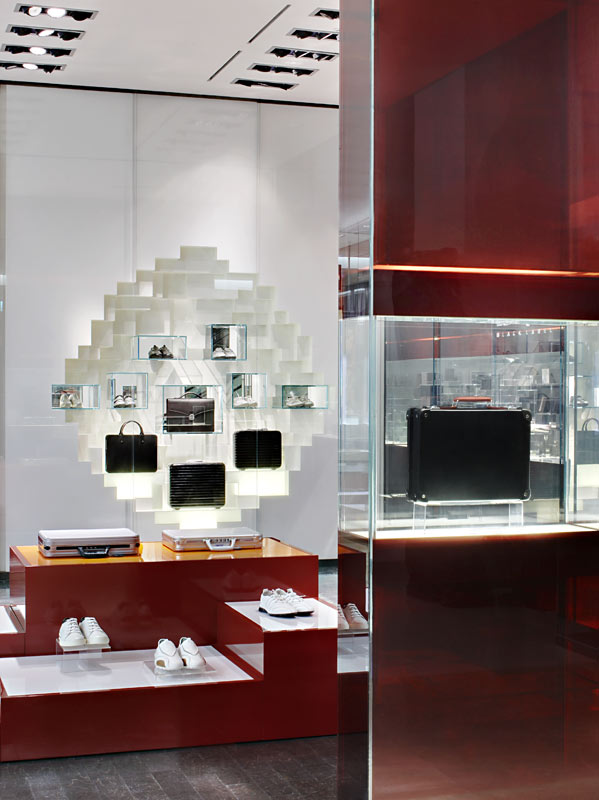
Retail environments are designed to attract, engage, and convert customers. In mall-driven ecosystems like Jakarta Timur, design plays a critical role in standing out.
Effective retail design includes:
- Strategic spatial planning: Guiding customer movement
- Visual merchandising: Highlighting products effectively
- Experiential elements: Creating memorable, shareable moments
- Brand storytelling: Communicating identity through space
Retail spaces become more than stores—they become destinations.
Cross-Sector Thinking: Creating Better Design Outcomes
One of the greatest strengths of a multi-sector approach is the ability to cross-pollinate ideas.
At our firm, we bring:
- Hospitality-inspired comfort into workplaces
- Retail storytelling into office and commercial environments
- Brand-driven design into all sectors
This integrated thinking results in spaces that feel richer, more engaging, and more aligned with how people live and interact today.
The Design Process: From Vision to Reality
Delivering high-performing spaces requires a structured yet creative process.
Concept & Strategic Planning
We begin by understanding the client’s vision, business goals, and user needs. This stage defines the narrative and direction of the project.
Spatial Design & Material Curation
Careful planning ensures optimal layout, flow, and zoning. Materials are selected not only for aesthetics but also for durability and context.
Visualization & Technical Documentation
Detailed drawings and visualizations bring the concept to life while ensuring precision during execution.
Construction Coordination
Seamless collaboration between designers, contractors, and stakeholders ensures that the final outcome aligns with the original vision.
Key Design Elements That Shape Experience
Across all sectors, several core elements define the success of a space:
- Spatial flow: Ensures intuitive movement and functionality
- Lighting strategy: Enhances mood, focus, and visual impact
- Material selection: Balances beauty, durability, and sustainability
- Acoustic comfort: Supports productivity and relaxation
- Ergonomic planning: Prioritizes user comfort and wellbeing
- Technology integration: Enables smart, efficient environments
These elements work together to create spaces that are both functional and emotionally engaging.
Designing with Local Identity in Mind
Localization is essential in creating meaningful design. In Jakarta Timur, this means:
- Incorporating local materials and textures
- Reflecting cultural nuances in spatial design
- Responding to climate with ventilation and shading strategies
- Aligning with local business practices and lifestyle patterns
By blending global standards with local identity—sentuhan lokal yang kuat (a strong local touch)—design becomes authentic and relevant.
Connecting Design to Business Performance
Thoughtful interior design delivers measurable value:
- Improved employee productivity and satisfaction
- Stronger brand positioning and recognition
- Enhanced customer engagement and sales performance
- Long-term operational efficiency and sustainability
Through interior Design Jakarta Timur, spaces are transformed into strategic assets that support growth and success.
Conclusion: A Trusted Partner for Multi-Sector Design
In a rapidly developing region like East Jakarta, the need for high-quality, adaptable, and experience-driven design has never been greater.
At our firm, we bring together expertise across workplace, hospitality, and retail sectors to deliver spaces that are innovative, engaging, and performance-driven. Through interior Design Jakarta Timur, we create environments that not only look exceptional but also function seamlessly—supporting businesses, enhancing experiences, and shaping the future of how people work, stay, and shop.
Because great design is not just about space—it’s about creating places where people truly belong—ruang yang terasa hidup dan bermakna (spaces that feel alive and meaningful).
Connect with us in